The Velvet Shield: The Truth About Pubic Hair Grooming and Vulvar Health 🪒🌿🌸
For decades, women have been bombarded with conflicting messages about pubic hair.
Magazines, beauty salons, and pop culture often imply that adult bodies should look completely bare and dolphin-smooth. Yet the moment you pick up a razor or book a hot wax, you might be rewarded with stinging razor burn, angry red ingrown hairs, painful folliculitis, or unbearable itching as the hair grows back.
It leaves many women wondering: Is having pubic hair unhygienic? Or is removing it actually damaging my body?
Let's clear up the confusion right now: pubic hair is neither dirty nor a biological mistake. It is a specialized, functional feature designed by nature to protect your most sensitive anatomy.
Whether you choose to shave, wax, trim, or let it grow wild and free, understanding the biological purpose of pubic hair gives you the power to groom safely without sacrificing comfort or vulvar health.
The Biological Purpose: Why We Have Pubic Hair 🛡️✨
Pubic hair didn't appear by accident. It serves three vital physiological functions:
                  [ THE VELVET SHIELD ]
     +-----------------------------------------------+
     |  1. THE FRICTION BUMPER                       |
     |     Prevents skin-on-skin chafing & rubbing   |
     +-----------------------------------------------+
     |  2. THE MICROBIAL FILTER                      |
     |     Traps dirt, sweat, and unwanted bacteria  |
     +-----------------------------------------------+
     |  3. THE NERVE CUSHION                         |
     |     Protects delicate skin & regulates temp   |
     +-----------------------------------------------+
- The Friction Bumper: The skin on your vulva is some of the thinnest, most delicate tissue on your body. Pubic hair acts like a velvet cushion, reducing mechanical friction during walking, running, tight-clothing wear, and sexual intercourse.
- The Microbial Filter: Just like your eyelashes protect your eyes from dust and your nasal hair filters the air you breathe, pubic hair acts as a physical barrier. It traps debris, sweat, and foreign pathogens, keeping them away from your delicate vaginal opening and urethra.
- Temperature & Moisture Control: Pubic hair helps wick away moisture and regulate the delicate microclimate of the vulvar region.
The Trouble with the Blade: Micro-Tears & The Ingrown Hair Trap 🪒⚠️
When you shave down to bare skin with a razor, two things happen beneath the surface:
- Micro-Abrasions (Invisible Cuts): The razor blade doesn't just cut hair; it scrapes off the top protective layer of skin cells, leaving microscopic tears. This temporarily disables your skin's natural moisture barrier, making the area vulnerable to bacterial invasion, contact dermatitis, and viral skin conditions like Molluscum or HPV.
- The Chiseled Spear (Ingrowns & Folliculitis): When you shave against the grain to get that ultra-close feel, the blade stretches the hair follicle and slices the hair at a sharp, diagonal chisel point. As the hair begins to grow back from underneath the skin, that sharp spear curls inward, piercing the follicle wall.
- Your immune system sees the trapped hair as a foreign splinter, resulting in an inflamed, red, pus-filled bump known as folliculitis.
The Grooming Spectrum: Finding What Works for You 🌿✨
There is no single "right" way to manage your body hair. Here is how the most common methods compare:
1. Trimming (The Dermatologist Favorite) ✂️⚡
- How It Works: Using a clean electric body trimmer with a guard (set to 2–5 mm) or small rounded grooming scissors.
- Why It Wins: It keeps hair neat and short so it doesn't catch on underwear or menstrual pads, but never touches the actual skin barrier. Zero razor burn, zero micro-tears, and zero ingrown hairs.
2. Mindful Shaving (If You Prefer Smooth Skin) 🪒💧
If you love the sensation of being completely hair-free, follow these harm-reduction rules:
- Shave WITH the Grain: Always glide the razor in the direction the hair grows (downward), never upward or against the grain.
- Use a Sharp, Clean Blade: Never use a disposable razor that has been sitting damp in the shower for weeks (a breeding ground for bacteria). Swap blades after 3–5 uses.
- Warm Water First: Shave at the very end of your warm shower so the steam softens the hair follicles.
- Lube the Runway: Use an unfragranced, gentle cleansing oil or hypoallergenic shaving cream—never harsh scented bar soaps that strip the vulvar microbiome.
3. Waxing & Sugaring 🍯✨
- How It Works: Removes hair entirely from the root bulb.
- Pros & Cons: Leaves skin smooth for 3–4 weeks and hair grows back softer. However, pulling hair from the root leaves open follicular pores for 24–48 hours. Avoid hot baths, intense workouts, and tight synthetic leggings for two days post-wax to prevent infection.
4. Going Full Natural 🌸🧘♀️
- How It Works: Leaving your hair completely untouched.
- Why It's Great: Maximum natural protection against chafing and zero risk of grooming injuries. All it requires is daily washing of the external vulva with warm water (no soap needed!).
Three Golden Rules for Post-Grooming Comfort 🌿🧖♀️
Whatever method you choose, protect your skin with these post-care habits:
- Ditch Synthetic Underwear (Wear Loose Cotton): Tight nylon, spandex, or lace thongs create friction and trap sweat against freshly groomed skin. Wear loose, breathable 100% organic cotton underwear (or sleep commando) for the first 24 hours.
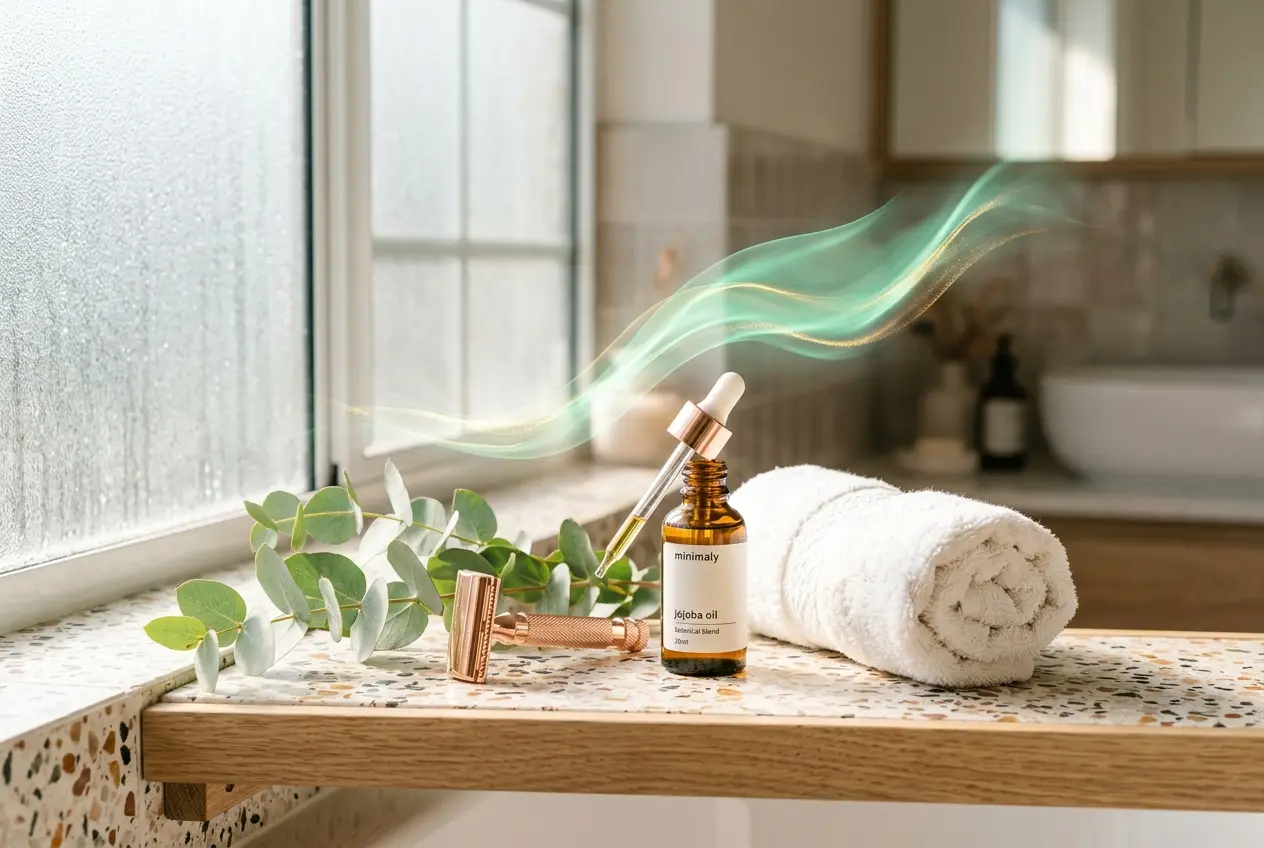
- Soothe with Pure Botanical Oils (No Perfumes): Avoid scented body lotions or alcohol-laden aftershaves on the vulva. A single drop of pure organic Jojoba oil or pure Aloe Vera gel will soothe inflammation and lock in moisture without clogging pores.
- Never Squeeze or Pick Ingrown Hairs: Picking at an inflamed bump pushes bacteria deeper into the dermis and causes hyperpigmentation (dark spots) and scarring. Apply a warm compress for 5 minutes twice a day to let the hair release naturally.
Track Your Body Comfort Privately with Bloom 📊🔐
Whether you are navigating post-grooming skin sensitivity, tracking your cycle phases, or monitoring menstrual hygiene comfort:
- Log Skin Reactions: Track which grooming techniques cause flare-ups or ingrowns so you can find what feels best for your body.
- Monitor Cycle Phase Sensitivity: Notice how your skin is often more sensitive to pain and inflammation during your luteal and menstrual phases.
- Personal Health Journaling: Keep notes on products, oils, and routines that keep you comfortable.
Because your body grooming choices, skin sensitivities, and intimate health routines are deeply personal records, Bloom is built on a Local-First Architecture.
All your symptom calendars, personal reflections, and cycle logs are stored locally and encrypted strictly on your own device. We never sell your personal data to advertisers or share your body journals with third-party servers. If you choose to enable cloud backups, your records are protected with full end-to-end encryption via Supabase, keeping your health journey private, secure, and entirely under your own control. 🔐🌸
Disclaimer: This guide is for educational and hygienic purposes. If you notice a painful, growing, hot, or extremely tender cyst in the pubic area that does not resolve within a few days, it may be a deep abscess or infected hair follicle and should be examined by a healthcare provider.
Read on the go.
Stop scrolling and start syncing. Download the free Bloom app for personalized daily insights right on your phone.