The Ups and Downs of Your Cycle: Decoding Mood Swings
Have you ever found yourself tearing up at a totally normal commercial, or feeling suddenly irritated by something that usually wouldn’t bother you?
You’re not alone, and you’re not "just being moody." Mood swings—those sudden, sometimes unexplained shifts in how we feel—are a completely normal part of the human biological experience. Whether you’re navigating the rapid changes of your teenage years or the monthly rhythm of your menstrual cycle, your emotions are deeply tied to your biology.
At Bloom, we view your body not as a machine, but as a Biological Symphony. When your hormones shift, the music changes. Let’s decode the science behind mood swings and explore how to find your natural harmony.
What Are Mood Swings, Really?
A mood swing is exactly what it sounds like: a rapid, noticeable change in your emotional state. One moment you feel fine, and the next you might feel deeply sad, irritable, or overwhelmed.
While it’s easy to blame a lack of sleep or a stressful day at work (and those definitely play a part!), there is often a powerful biological current running beneath the surface.
The Hormonal Dance: Why Your Mood Shifts
1. The Teenage Years (A Time of Rapid Change)
During puberty, your brain is doing incredible work to help you mature into an adult. As part of this process, your body produces lower levels of serotonin (the "happy hormone" responsible for balancing your mood) than at almost any other time in your life.
At the same time, your brain’s hormone control center is waking up, triggering your ovaries to start producing estrogen. With all these new chemicals whizzing around, it is completely natural for your mind to feel just as confused as your body might.
2. The Monthly Rhythm: PMS and the "Autumn" Phase
If you thought mood swings magically ended on your 18th birthday, you aren’t alone—but unfortunately, it doesn’t usually work that way.
Up to 75% of people who have periods experience Premenstrual Syndrome (PMS). In the days or weeks before your period starts (what we at Bloom call the "Autumn" phase of your cycle), your body experiences fluctuations in estrogen and progesterone. This hormonal shift can make you feel tense, sad, or just generally "off."
Stress, Life, and the "Inner Seasons"
Your biology doesn’t happen in a vacuum. Deadlines, relationship drama, and the general pressure of modern life all create stress. When you are stressed, your body produces cortisol. When high cortisol meets shifting reproductive hormones, mood swings can become much more pronounced.
It is totally normal and healthy to feel overwhelmed at times.
When It’s More Than Just a Mood
While emotional ups and downs are typical, they shouldn't make life impossible to navigate.
If you experience severe depression, extreme anger, or feelings of hopelessness in the week before your period, you may be experiencing a rare but treatable condition called Premenstrual Dysphoric Disorder (PMDD). If your mood swings are persistent (lasting more than two weeks) or are deeply affecting your relationships and work, it is always a good idea to speak with a healthcare provider. There is absolutely no shame in asking for support.
How to Find Your Harmony
You can’t stop your hormones from fluctuating—and you shouldn’t want to! But you can learn to anticipate and manage the shifts.
1. Gentle Self-Care
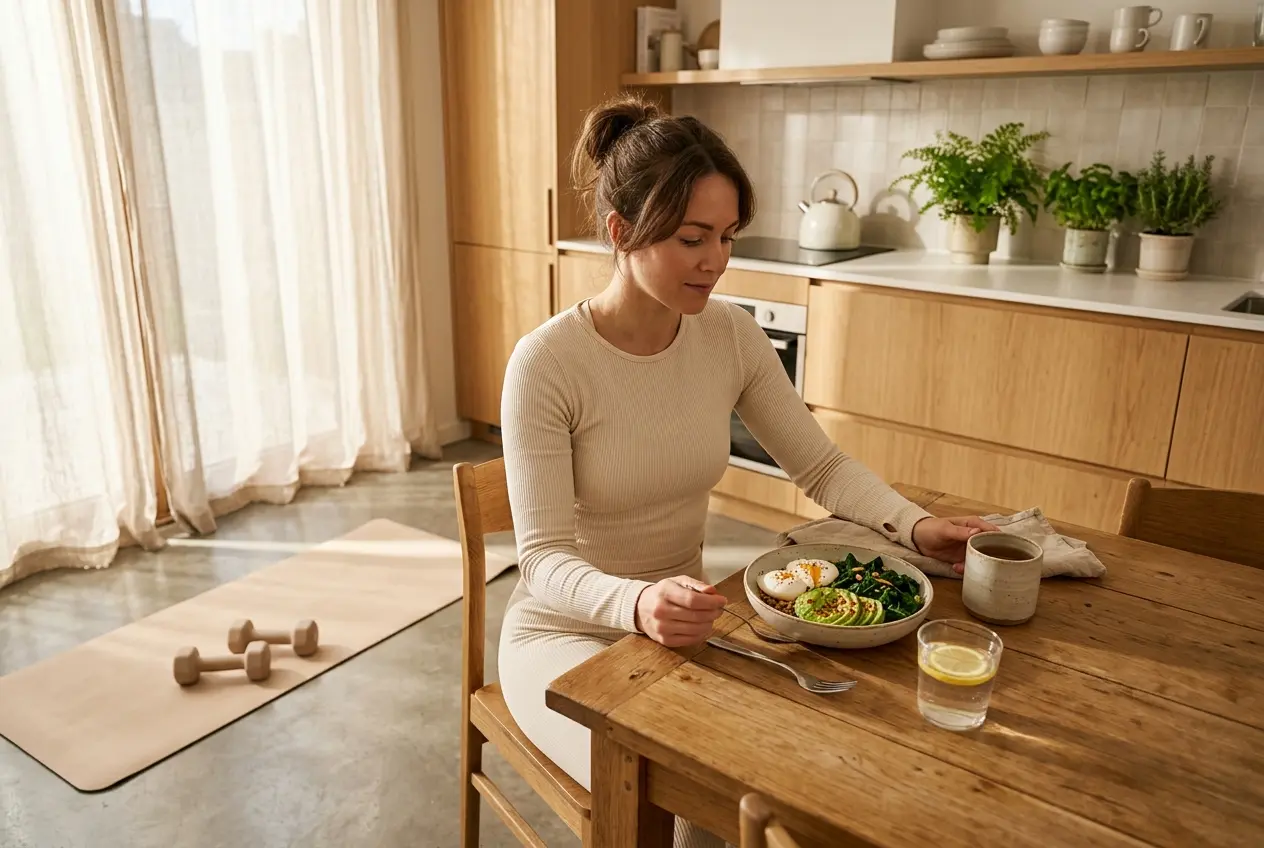
There is no one-size-fits-all solution. Some people need a long walk alone; others need to vent to a trusted friend. Prioritize sleep, stay hydrated, and give yourself grace on the days when your emotions feel loud.
2. Track Your "Inner Seasons" with Bloom
The most powerful tool for managing mood swings is radical self-knowledge. By tracking your emotions alongside your menstrual cycle in the Bloom App, you will quickly spot your personal patterns.
When you know that your "Autumn" phase (and the mood dips that come with it) is approaching, you can proactively plan for extra rest. Best of all, Bloom is built on a local-first architecture. Your intimate emotional data stays strictly on your device—it is never sold or shared.
Your emotions are the weather of your internal world. By learning to read the forecast, you can dance in the rain instead of hiding from it.
Read on the go.
Stop scrolling and start syncing. Download the free Bloom app for personalized daily insights right on your phone.