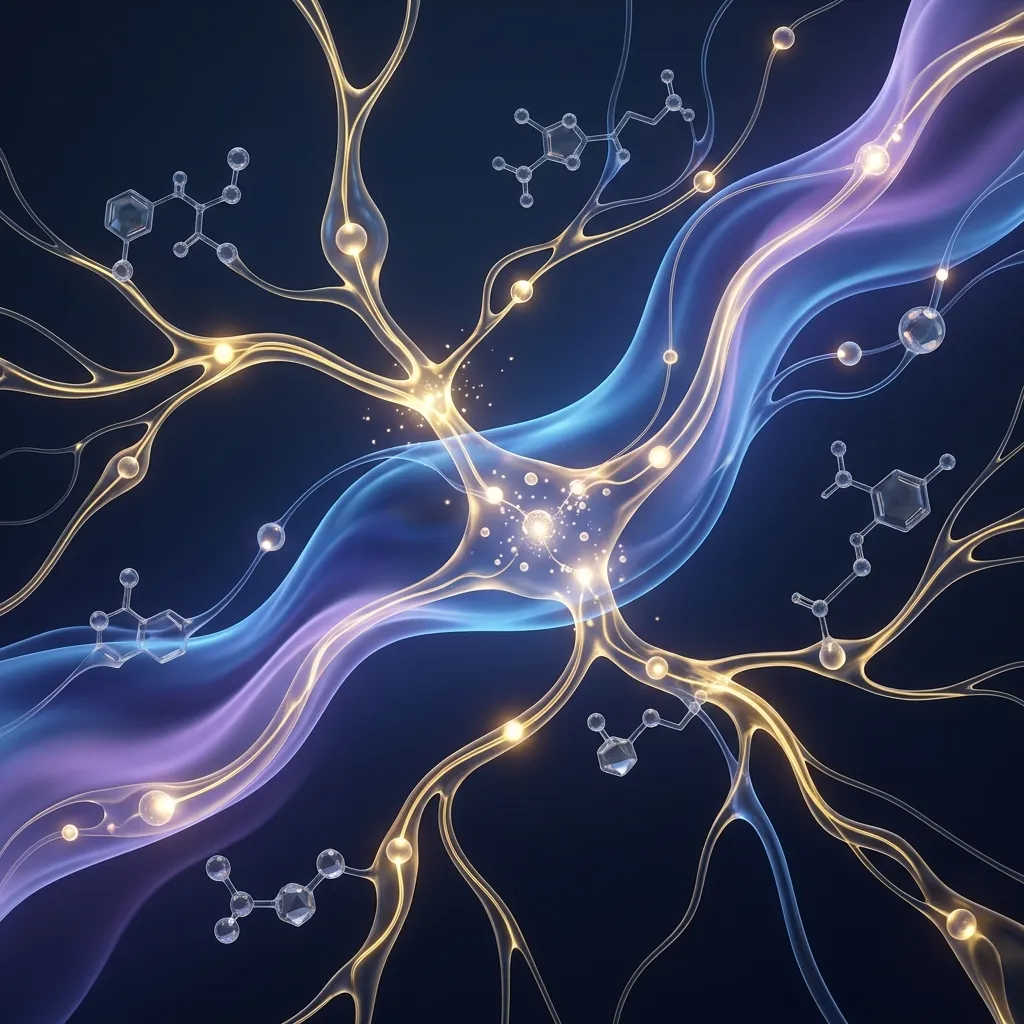
The Estrogen-Brain Connection: How Estrogen Controls Your Dopamine, Serotonin, and Focus 🧠⚡️✨
If you are a menstruator, you have likely noticed a predictable monthly cycle in your mental performance.
During the first two weeks of your cycle, you might feel sharp, motivated, social, and able to tackle complex tasks with ease. But in the second half of your cycle—specifically the week leading up to your period—a sudden shift occurs. You are met with brain fog, low focus, emotional fragility, and a drop in overall drive.
For women with ADHD, this luteal window can feel particularly frustrating, as they often report that their medications feel completely ineffective.
Historically, these shifts have been dismissed as "PMS moodiness." In reality, they are driven by a direct, biological link between your hormones and your brain chemistry. Estrogen is not just a reproductive hormone—it is a master neurological stimulant.
Here is the science of the estrogen-brain connection, how it regulates dopamine and serotonin, and plant-aligned ways to support your focus across the cycle. 🧬🧠
Estrogen: The Brain's Master Stimulant
Although we associate estrogen with the ovaries, it plays a massive role in the central nervous system. Receptors for estrogen are highly concentrated in areas of the brain that govern mood, memory, and executive function, such as the prefrontal cortex and the hippocampus.
Estrogen acts as a key neurological tuner, regulating the synthesis, signaling, and lifespan of two primary neurotransmitters:
1. The Dopamine Spark (Motivation & Focus) ⚡️
Dopamine is the neurotransmitter of reward, motivation, attention, and executive function. Estrogen directly boosts dopamine levels in several ways:
- Synthesis: Estrogen stimulates tyrosine hydroxylase, the rate-limiting enzyme your brain uses to produce dopamine.
- Receptor Density: Estrogen increases the density of dopamine receptors in the prefrontal cortex, making your brain more sensitive to the dopamine you do produce.
- Clearance: Estrogen slows down the enzymes that degrade dopamine, keeping it active in your brain synapses longer.
When estrogen is high (just before ovulation), your dopamine pathways are firing on all cylinders, leading to high focus, mental energy, and confidence.
2. The Serotonin Shield (Mood & Calmless) 🌊
Serotonin regulates mood, sleep, and emotional stability. Estrogen is a powerful serotonin agonist:
- It stimulates the production of serotonin and prevents its breakdown by inhibiting monoamine oxidase (MAO) enzymes.
- It enhances the transport of serotonin to brain regions that control emotional processing.
When estrogen is optimal, serotonin is abundant, protecting you against anxiety and promoting emotional resilience.
The Luteal Crash: Why Your Brain Slows Down
To understand why your focus and mood crash, we must follow estrogen's trajectory in the second half of your cycle (the luteal phase).
After ovulation, your body experiences a steep drop in estrogen. While progesterone rises to support a potential pregnancy, estrogen remains relatively low compared to its pre-ovulatory peak, before crashing to its cycle low right before your period.
When estrogen drops:
- Dopamine Declines: The synthesis of dopamine slows down, and receptor sensitivity drops. This manifests as a sudden lack of focus, executive dysfunction, low motivation, and brain fog.
- Serotonin Dips: Serotonin levels decline, and its degradation speeds up. This makes you more vulnerable to irritability, premenstrual anxiety, and emotional weepiness.
- GABA Shifts: Progesterone's metabolite, allopregnanolone, interacts with GABA (calming) receptors. However, during the premenstrual drop, sudden withdrawal from these hormones can cause neurotransmitter instability.
For individuals with ADHD, whose brains already have lower baseline dopamine levels, this premenstrual estrogen drop can push dopamine levels below the threshold required for focus, rendering stimulant medications far less effective.
Plant-Aligned Protocols to Support Your Brain
You can support your brain chemistry across the cycle by feeding the raw pathways that produce dopamine and serotonin, managing stress, and cycle-syncing your productivity:
1. Feed Your Dopamine Pathway (Tyrosine-Rich Foods) 🎃🥑
Since your brain uses the amino acid L-tyrosine to build dopamine, increasing your intake of tyrosine-rich plant foods during your luteal phase can support baseline dopamine levels:
- Pumpkin and Sesame Seeds: Excellent plant-based sources of tyrosine and magnesium (which supports neurotransmitter function).
- Almonds and Avocados: Provide healthy fats and amino acids to support brain health.
- Bananas: Contain tyrosine and Vitamin B6, a vital cofactor in converting tyrosine into dopamine.
2. Boost Serotonin (Tryptophan + Complex Carbs) 🌾🍌
To support serotonin synthesis, focus on L-tryptophan paired with healthy carbohydrates:
- Oats, Chia Seeds, and Walnuts: Excellent plant sources of tryptophan.
- The Carb Trick: Pair tryptophan-rich foods with complex carbohydrates (like sweet potatoes, brown rice, or oats). Carbs trigger a gentle insulin release, which clears competing amino acids from your bloodstream, allowing tryptophan to cross the blood-brain barrier and convert into serotonin more easily.
3. Lower Stress to Prevent Neurochemical Depletion 🧘♀️
When you are chronically stressed, your body produces high levels of cortisol. Cortisol actively blocks dopamine receptors and depletes serotonin stores.
- Rhodiola Rosea: An adaptogenic herb that supports cognitive function, helps combat mental fatigue, and promotes healthy dopamine and serotonin activity during periods of stress.
- Ashwagandha: Helps lower systemic cortisol, protecting your neurotransmitter pathways from being depleted by stress.
4. Practice Cycle-Synced Productivity 📅
Stop expecting your brain to perform identically every day of the month. Instead, align your calendar with your biology:
- Follicular & Ovulatory Phases (High Estrogen): Schedule high-stimulation tasks, public speaking, brainstorming sessions, and demanding projects.
- Luteal & Menstrual Phases (Low Estrogen): Schedule editing, organization, deep reading, routine admin tasks, and quiet, low-stimulation work.
Log Your Cognitive Shifts Privately with Bloom
Overcoming premenstrual brain fog and focus drops starts with understanding your unique monthly patterns. You need to know: On which cycle days does your focus drop? Does a luteal tyrosine snack help sustain your energy?
Because tracking mental health, focus, and cycle logs involves highly personal data, your entries deserve absolute privacy. Many tracking apps harvest and share your mood and symptom records with advertisers.
The Bloom App protects your privacy with a Local-First Architecture:
- On-Device Encryption: All your logs (brain fog, focus levels, mood swings, and cycle phases) stay encrypted directly on your local device.
- No Central Databases: Bloom does not collect, store, or transmit your private health history.
- No Registration Required: You can log your cycle anonymously without an email or phone number. 🛡️🔒
By keeping a secure, private log of your cycle patterns in Bloom, you can safely connect with your body's monthly seasons and let your health bloom.
Read on the go.
Stop scrolling and start syncing. Download the free Bloom app for personalized daily insights right on your phone.