Endometriosis Demystified: The Science Behind the Severe Pain and How to Support Your Body 🎗️🩸✨
For millions of women worldwide, period pain is not just a mild inconvenience. It is a debilitating, life-disrupting reality that leads to missed school, cancelled work, and days spent in bed with a heating pad. All too often, this severe pain is dismissed as "normal cramps" or "just part of being a woman." But severe, chronic pelvic pain is not normal. For roughly 1 in 10 women, it is the result of a complex, chronic inflammatory condition called Endometriosis. Despite affecting an estimated 190 million women globally, endometriosis is notoriously misunderstood, taking an average of 7 to 10 years from symptom onset to receive an accurate diagnosis. Here is the biological science of endometriosis, why it causes such severe pain, the warning signs you shouldn't ignore, and how to support your body naturally and privately. 🧬🎗️
What is Endometriosis? The Biological Mechanism
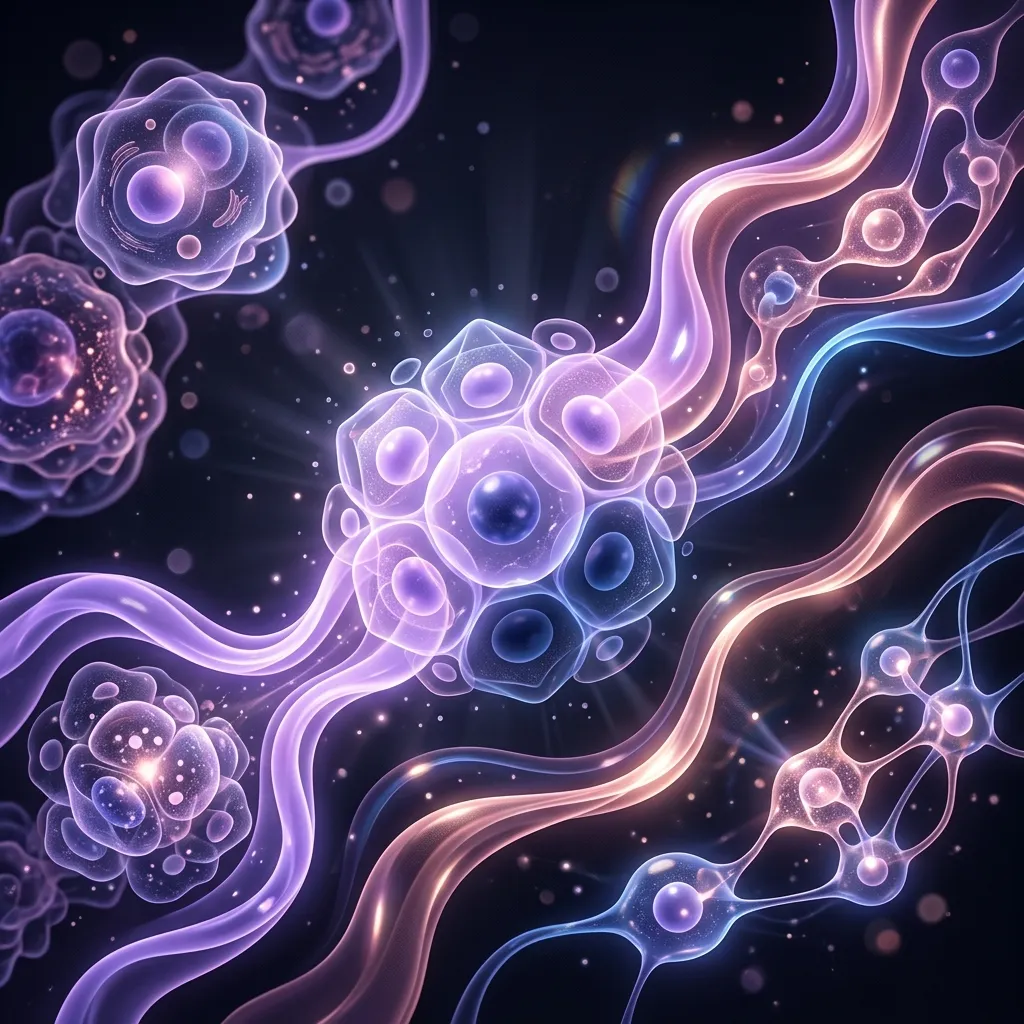
To understand endometriosis, we have to look at the endometrium—the tissue that lines the inside of your uterus. Every month, in response to estrogen, this lining thickens to prepare for a potential pregnancy. If conception doesn't happen, the lining sheds during your period. In a body with endometriosis, tissue resembling this endometrial lining grows outside the uterus. This is called ectopic tissue.
- Where it grows: Most commonly on the ovaries, fallopian tubes, pelvic wall, outer surface of the uterus, and the ligaments supporting the uterus. It can also attach to the bladder, bowel, and intestines.
- How it behaves: This ectopic tissue responds to the rise and fall of your monthly hormones in the exact same way as the lining inside your uterus: it thickens, breaks down, and bleeds with every cycle.
The Source of Pain: No Way Out
When the lining inside the uterus sheds and bleeds, it has a natural exit route out of the body through the cervix. But when the ectopic tissue grows outside the uterus, the blood has no way to escape. The trapped blood causes localized irritation, triggering a severe inflammatory cascade. Over time, this chronic inflammation leads to:
- Adhesions: Bands of scar tissue that act like glue, causing pelvic organs (like the ovaries, fallopian tubes, and bowel) to stick to one another.
- Endometriomas: Fluid-filled cysts on the ovaries, often called "chocolate cysts" due to their dark blood content.
- Nerve Irritation: Ectopic growths can wrap around pelvic nerves, sending intense, chronic pain signals to the brain. 🌋🧠
The Warning Signs You Shouldn't Ignore
Endometriosis symptoms can vary widely, but the most common indicators include:
- Dysmenorrhea (Painful Periods): Cramping that starts days before your flow and is so intense that standard over-the-counter pain relievers do not help.
- Dyspareunia (Painful Intercourse): Deep pelvic pain during or after sexual intimacy, often caused by ectopic tissue growing on the ligaments behind the cervix.
- Bowel and Bladder Pain: Painful urination or bowel movements, diarrhea, constipation, or nausea—symptoms that often flare up specifically during menstruation.
- Chronic Pelvic Pain: Dull, aching pelvic or lower back pain that occurs throughout the month, not just during your period.
- Fertility Struggles: Endometriosis is diagnosed in up to 30% to 50% of women experiencing difficulty conceiving, as scar tissue can block fallopian tubes or affect egg quality.
The Diagnosis Gap: Why Does It Take So Long?
The 7-to-10-year delay in diagnosing endometriosis is driven by several factors:
- Normalization of Pain: Society—and sometimes medical professionals—often normalizes severe menstrual pain, leading women to believe their symptoms are normal.
- Lack of Non-Invasive Tests: Ultrasounds and MRIs can sometimes detect deep lesions or ovarian cysts, but they frequently miss superficial endometriosis. The only way to definitively diagnose endometriosis is through a minimally invasive surgical procedure called a laparoscopy, where a surgeon visualizes and biopsies the tissue. 🔬🛡️
Plant-Aligned Strategies to Ease Inflammation and Pain
While there is currently no cure for endometriosis, supporting your body's anti-inflammatory pathways can help modulate the severity of pain and improve your quality of life:
1. Dampen Inflammation with Curcumin & Ginger 🌿
Since endometriosis is fundamentally an inflammatory condition, calming systemic inflammation is key:
- Curcumin (Turmeric): Shown in clinical studies to inhibit the growth of endometrial cells and reduce the secretion of inflammatory cytokines (IL-1, IL-6, and TNF-alpha).
- Ginger: Eases cramping by inhibiting the synthesis of prostaglandins (the compounds that trigger contractions and pain).
2. Support Estrogen Clearance with Cruciferous Vegetables 🥦
Estrogen stimulates the growth of ectopic endometrial tissue. Helping your liver metabolize and clear excess estrogen can prevent "estrogen dominance":
- Cruciferous vegetables (broccoli, Brussels sprouts, kale, cabbage) are rich in a compound called Indole-3-Carbinol (I3C).
- I3C helps your liver convert active estrogen into its safer, inactive metabolites, allowing the body to naturally filter it out.
3. Load Up on Omega-3s & Magnesium 🥑
- Omega-3 Fatty Acids: Found in flaxseeds, chia seeds, and walnuts, omega-3s help produce anti-inflammatory prostaglandins (PGE3) that counteract pain signals.
- Magnesium Glycinate: Relaxes the smooth muscles of the pelvis and intestines, easing spasms and calming irritated pelvic nerves.
Document Your Symptoms Privately with Bloom
If you suspect you have endometriosis, tracking your symptoms is the most powerful tool you have. Creating a detailed, daily log of your pain levels, bleeding dynamics, and digestive changes provides invaluable data to bring to your gynecologist or specialist, helping speed up the diagnostic process. But your health history is highly private. You shouldn't have to risk your sensitive medical logs being uploaded to cloud databases, targeted by insurance companies, or shared with third-party advertisers. The Bloom App is designed as a local-first cycles companion to protect your health privacy:
- 100% Local Storage: All symptom diaries, pain logs, and cycle dates stay encrypted directly on your device.
- No Accounts Required: We never collect your email address, phone number, or name.
- Zero Data Selling: We have no servers to harvest or sell your health data—keeping your personal diaries completely secure. 🔒🛡️ By logging your symptoms in Bloom, you can advocate for your health, track your treatment progress, and take control of your wellness journey in absolute privacy.
Read on the go.
Stop scrolling and start syncing. Download the free Bloom app for personalized daily insights right on your phone.