Tuning Your Body Clock: How Morning Sun and Night Screens Shape Your Sleep and Energy 🌅📱💤
Have you ever found yourself in the "tired but wired" trap? You spend all day feeling like a zombie, dragging yourself from one cup of coffee to the next. But the moment your head hits the pillow, your brain suddenly switches on, racing with thoughts while you stare at the ceiling.
If this sounds familiar, your internal body clock is likely out of sync.
Your body is run by a natural, 24-hour timer called the circadian rhythm. This clock controls when you feel awake, when you get hungry, and when you feel sleepy. And the main coordinator of this clock is something you interact with every single second: light.
Let's look at how light controls your sleep hormones, why screens at night trick your brain, and simple, everyday steps to reset your body clock naturally.
The Hormones Behind Your Energy: Coffee vs. Cozy ☕️🌙
To understand how your body clock works, you only need to know about two primary chemical messengers:
1. Cortisol: Your Internal Morning Coffee 🌅
Cortisol is often called the "stress hormone," but it is actually your body's natural wake-up signal. In a healthy cycle, your brain releases a big splash of cortisol right after you wake up. This increases your heart rate, raises your body temperature, and gives you the energy to start the day.
2. Melatonin: The Sleep Invite 🌌
Melatonin is your sleep hormone. Think of it as a chemical invitation to rest. As the sun goes down and darkness sets in, your brain starts producing melatonin. It doesn't knock you out like a sleeping pill; instead, it gently tells your body that it is time to wind down, cool off, and prepare for deep sleep.
How Light Controls Your Clock ☀️📱
Your brain has a master clock that relies on clues from the outside world to know what time it is. The absolute most important clue is light entering your eyes.
Special light-sensitive cells in your eyes act as direct messengers to your brain's master clock. Here is what happens depending on the type of light you see:
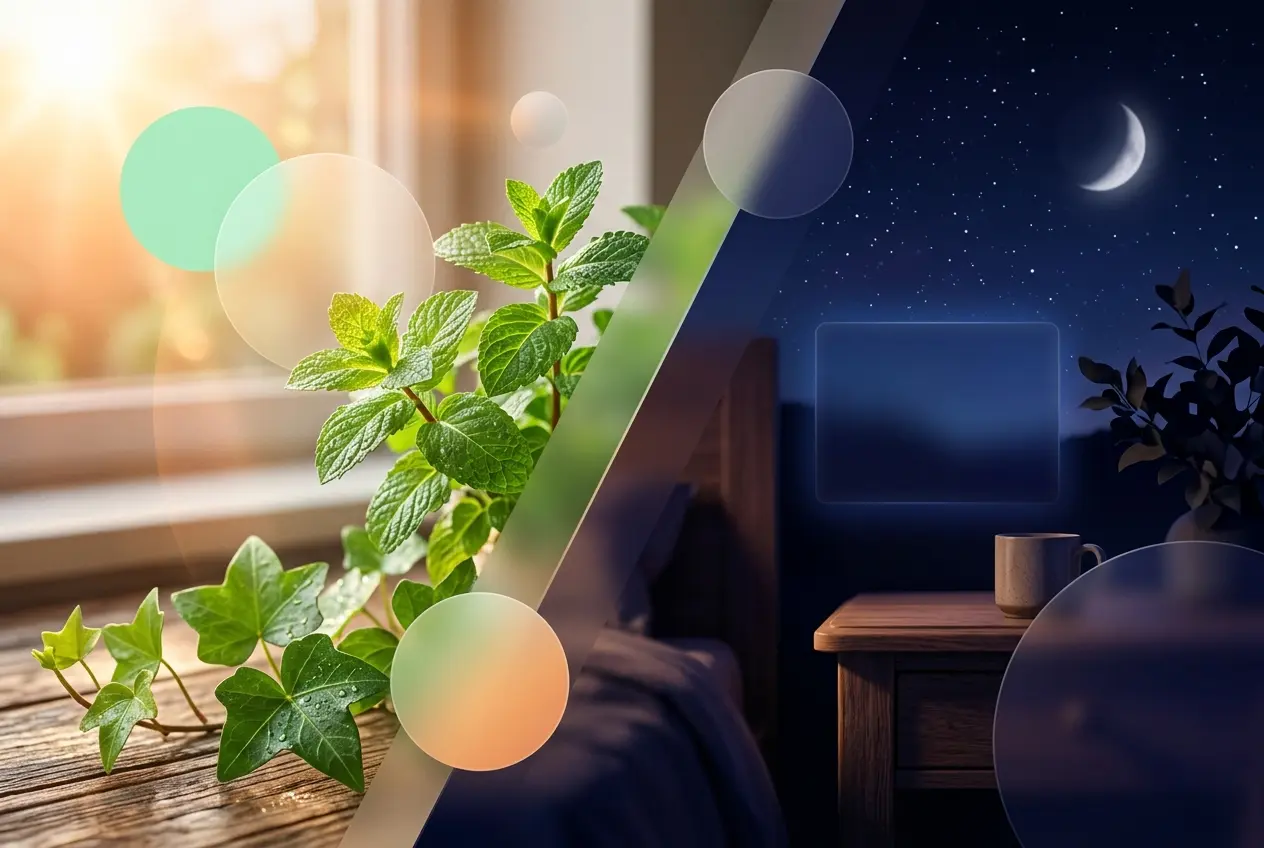
- Morning Sunlight (The Wake-Up Call): Seeing bright, natural sunlight in the morning tells your brain, "It's daytime!" Your brain immediately stops producing melatonin (putting the sleep invite away) and starts releasing cortisol to wake you up.
- Evening Screen Light (The False Alarm): Our phones, tablets, and TVs emit a specific type of light called blue light. While blue light is abundant in natural sunlight and great during the day, seeing it at night is a problem. The blue light from your phone screen tricks your brain into thinking it is still bright noon. As a result, your brain delays releasing melatonin, keeping you wide awake hours after you should be asleep.
Even a few minutes of looking at your phone in a dark room can push back your melatonin release, making it hard to fall asleep and leaving you groggy the next morning.
Three Simple Habits to Reset Your Clock resetting your body clock doesn't require expensive gadgets. It just requires changing when you look at light:
1. Get Morning Sun on Your Face 🌅
Step outside for 10 to 15 minutes within an hour of waking up. You don't need to stare directly at the sun—just being outdoors, even on a cloudy day, delivers enough natural light to trigger your morning cortisol spike and set your sleep timer for that night.
- Why it works: Natural outdoor light is up to 100 times brighter than standard indoor office lighting.
2. Dim Your Lights in the Evening 🕯️
As the sun sets, try to mimic the natural world inside your home. Turn off bright overhead lights and switch to cozy lamps at table level.
- Why it works: Dimmer, warmer light mimics the setting sun and encourages your brain to start releasing melatonin.
3. Set a Screen Curfew 📱❌
Put your phone away or turn off the TV at least 45 to 60 minutes before you plan to sleep. If you absolutely must use a screen, turn on your device's "night shift" mode or wear blue-light-blocking glasses to reduce the impact on your sleep hormones.
Track Your Sleep and Energy Privately 📊🔐
Resetting your body clock takes a little time. By tracking your daily habits, you can see exactly how light exposure impacts your energy:
- Log Sleep Quality: Track how long it takes you to fall asleep and how rested you feel in the morning.
- Monitor Screen Habits: Note if setting a screen curfew improves your sleep-onset time.
Since sleep, fatigue, and daily habits are deeply personal, your data privacy is paramount.
Bloom is built using a Local-First Architecture. All your sleep logs, energy scores, cycle details, and daily habit notes are stored safely and encrypted only on your own device. We never upload your personal health details to public servers or share them with third-party advertisers. If you choose to enable cloud backups, your data is protected with full end-to-end encryption via Supabase, keeping you in complete control of your personal wellness journey.
Disclaimer: This guide is for educational purposes only. If you suffer from chronic insomnia, sleep apnea, or severe exhaustion, please consult a qualified healthcare provider or sleep specialist.
Read on the go.
Stop scrolling and start syncing. Download the free Bloom app for personalized daily insights right on your phone.