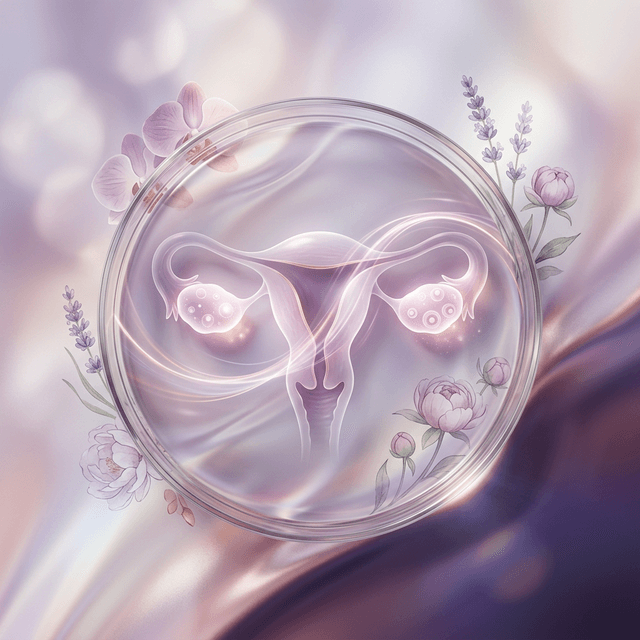
Understanding PCOS: Navigating Your Hormonal Symphony
Polycystic Ovary Syndrome (PCOS) is one of the most common, yet frequently misunderstood, hormonal conditions affecting women of reproductive age. It is not just about your ovaries; it is a complex metabolic and endocrine challenge that ripples through your entire biological rhythm.
At Bloom, we believe that understanding your internal symphony is the first step toward harmony. Here is a deep dive into PCOS, its causes, and how to navigate it with science and clinical precision.
What is PCOS?
PCOS is a condition characterized by a hormonal imbalance that affects the ovaries. This imbalance interferes with the normal growth and release of eggs (ovulation). Instead of a single egg maturing and being released during your "Summer" phase, the ovaries may develop many small, fluid-filled sacs called follicles, which fail to regularly release an egg.
The Three Triad Signs
A diagnosis is typically made when you exhibit at least two of these primary signs:
- Irregular Periods: This is the most common sign. You may experience few menstrual periods (oligomenorrhea) or periods that are unusually heavy or prolonged.
- Excess Androgen: High levels of "male" hormones can lead to physical signs such as excess facial and body hair (hirsutism), severe acne, or thinning hair on the scalp (male-pattern baldness).
- Polycystic Ovaries: Your ovaries might be enlarged and contain many follicles (up to 12 or more) that surround the eggs.
The Driving Forces Behind PCOS
While the exact cause remains a subject of ongoing research, several key factors play a defining role:
Insulin Resistance
Insulin is the hormone that helps your cells use sugar for energy. If your cells become resistant to insulin, your blood sugar levels rise, and your body produces even more insulin. This excess insulin can trigger your ovaries to produce too much androgen, hindering ovulation.
Low-Grade Inflammation
Research suggests that women with PCOS have a type of persistent, low-grade inflammation. This inflammatory state stimulates polycystic ovaries to produce androgens, further disrupting the cycle.
Heredity
There is a strong genetic link. If your mother or sister has PCOS, you are at a higher risk of developing it yourself.
Managing PCOS with Bloom
Tracking a cycle with PCOS can be frustrating with traditional apps that assume a 28-day model. Bloom was designed for complexity.
- Local-First Privacy: PCOS data is sensitive health information. Bloom keeps your data on your device, ensuring your biological journey remains your own.
- Adaptive Bayesian Logic: Our tracking engine doesn't rely on averages. It learns from your unique data points, helping you identify patterns even when your cycle is irregular.
- Hormonal Awareness: By cataloging symptoms like acne and hirsutism alongside your cycle data, you can build a comprehensive picture to share with your healthcare provider.
When to See a Specialist
If you are experiencing irregular periods, struggling with fertility, or noticing signs of excess androgen, it is time to consult a healthcare provider. Early diagnosis and lifestyle adjustments—often focused on blood sugar stabilization—can significantly reduce the risk of long-term complications like Type 2 diabetes and cardiovascular disease.
Your body isn't broken; it's speaking a complex language. Bloom is here to help you translate it.
Read on the go.
Stop scrolling and start syncing. Download the free Bloom app for personalized daily insights right on your phone.